
The latest info from Jason and his special guests.

Muse Spark Open: Before You Buy Two Mac Studios, Test the Work of the AI Model
Muse Spark Open offers a concrete path to local AI across two Mac Studios. Test task quality, latency, data boundaries and full operating cost before buying hardware.

Meta’s Muse Wonder Wants to Finish the Work. Here’s How to Test It.
How to evaluate Meta’s Muse Wonder: test memory corrections, sustained work, approval boundaries and the total effort required for an accepted result.
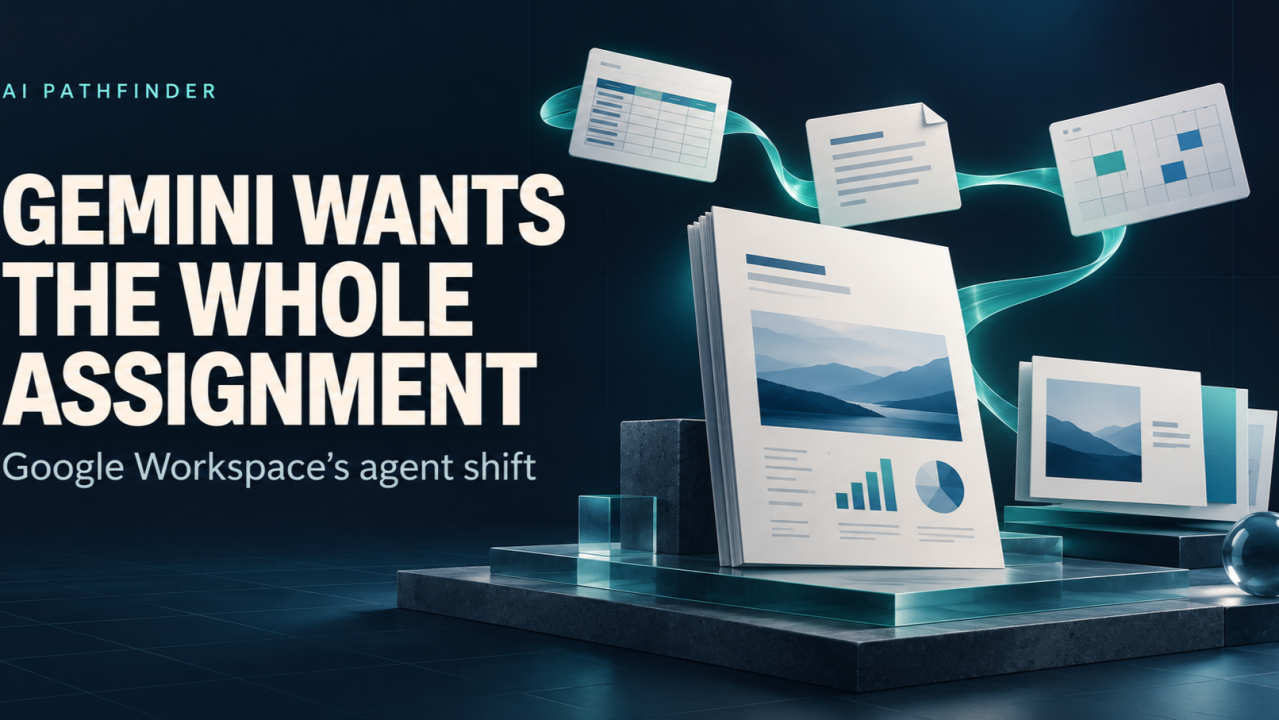
Google’s Gemini Agent Wants the Whole Assignment With New Google Workspace Updates
Evaluate Google’s Gemini agent on a complete recurring assignment. Check availability, data permissions, human review and total cost before expanding a pilot.
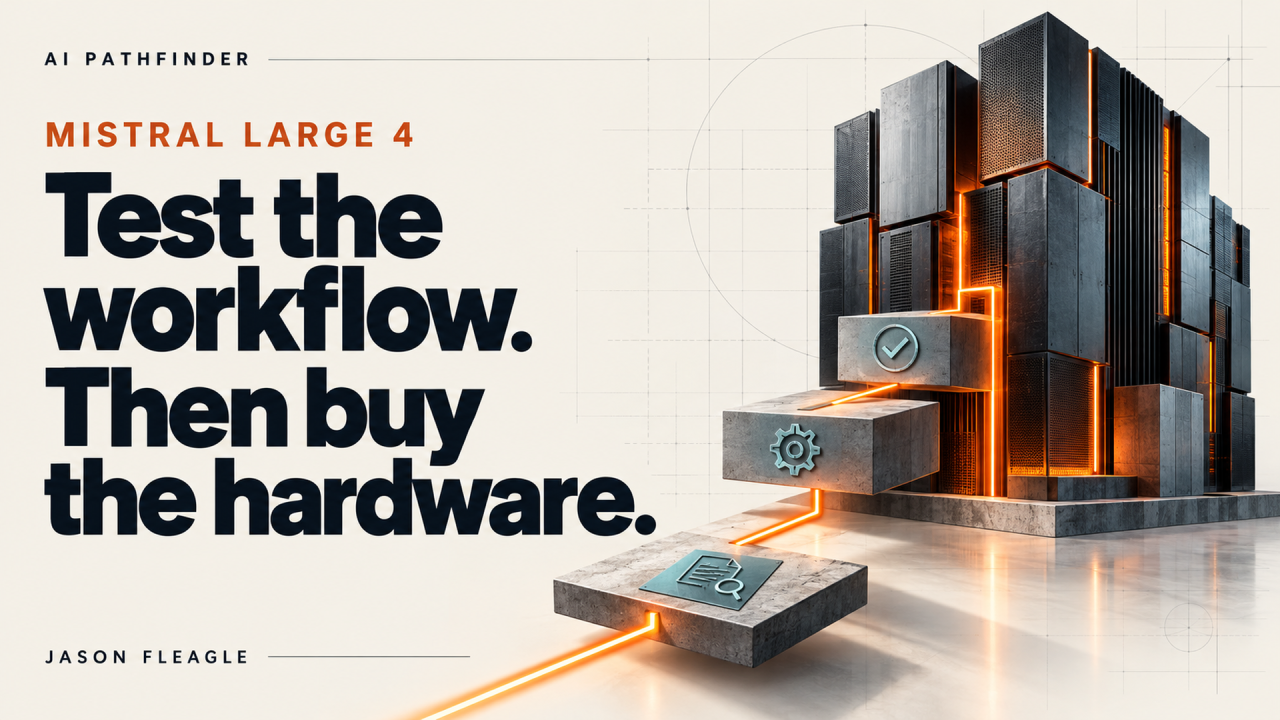
Mistral Large 4: Test the Workflow Before You Buy the Hardware
Mistral Large 4 is a public API preview, not a private-deployment purchase order. Test the workflow, verify the release, then size the hardware.

Your AI Vendor Says It Doesn’t Train on Your Data. What Else Should You Ask?
A no-training promise is only the start. Ask AI vendors about retention, human access, tools, deletion, and the controls your workload actually needs.

OpenAI dots and GPT-6.1 Sol: What work can you do now?
OpenAI dots and GPT-6.1 Sol: persistent agents, lower-cost execution, and the work teams can safely delegate.

What the Heck is Jev? Faster AI Decision Model to Reduce Operating Costs
Jev makes fast, typed AI decisions. Explore its pricing, evidence, routing use cases, and the controls needed to reduce cost per accepted task.

GPT-6 Astra, Claude or Gemini: Which AI Is Worth Paying For?
Compare GPT-6 Astra, Claude Fable 5.1 and Gemini 3.8 on benchmark costs, coding and voice—and test cost per accepted task before switching.

A fly brain wired to Mario Video Game: what connectomics actually means for AI
What a fruit fly connectome wired to Mario actually demonstrates, where simulations fall short, and what biological circuits could teach AI.

OpenAI Says It Solved a $1 Million Math Problem (Navier-Stokes). What Does the Evidence Actually Prove?
OpenAI’s Navier-Stokes claim tests AI research and verification. What the proof claims, what Lean checks, and what remains unresolved.

GPT-6 Astra Isn’t AGI & Here’s What That Means
GPT-6 Astra looks strong in computer use and agentic work, but independent benchmarks show tradeoffs. Here is how leaders should test it.
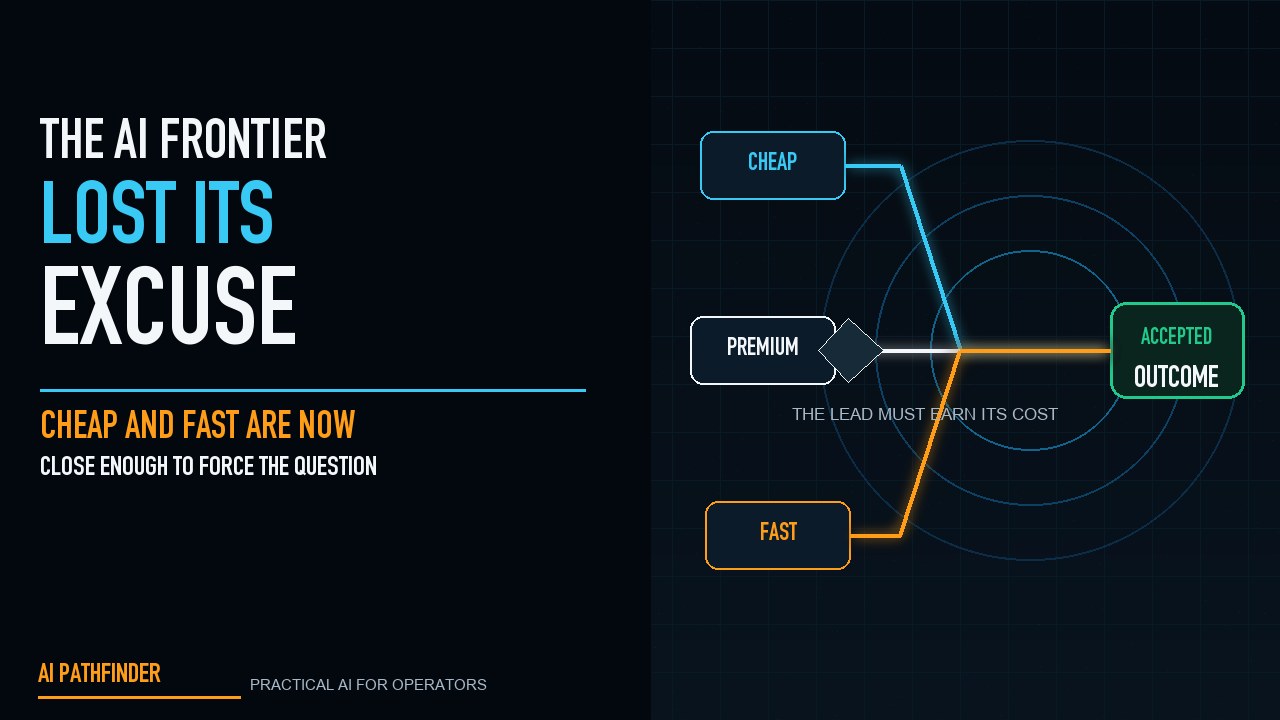
The AI Frontier Models Have Lost Their Excuse
DeepSeek V4 Pro and Grok 4.6 are changing AI model economics. Learn how to compare price, efficiency, risk, and cost per accepted workflow outcome.

Researchers at Harvard & MIT Built Billions of Simulated AI People for Testing
MatrAIx offers billions of persona records for synthetic product testing. Its own results show why AI simulations should be used as preflight research, not customer truth.
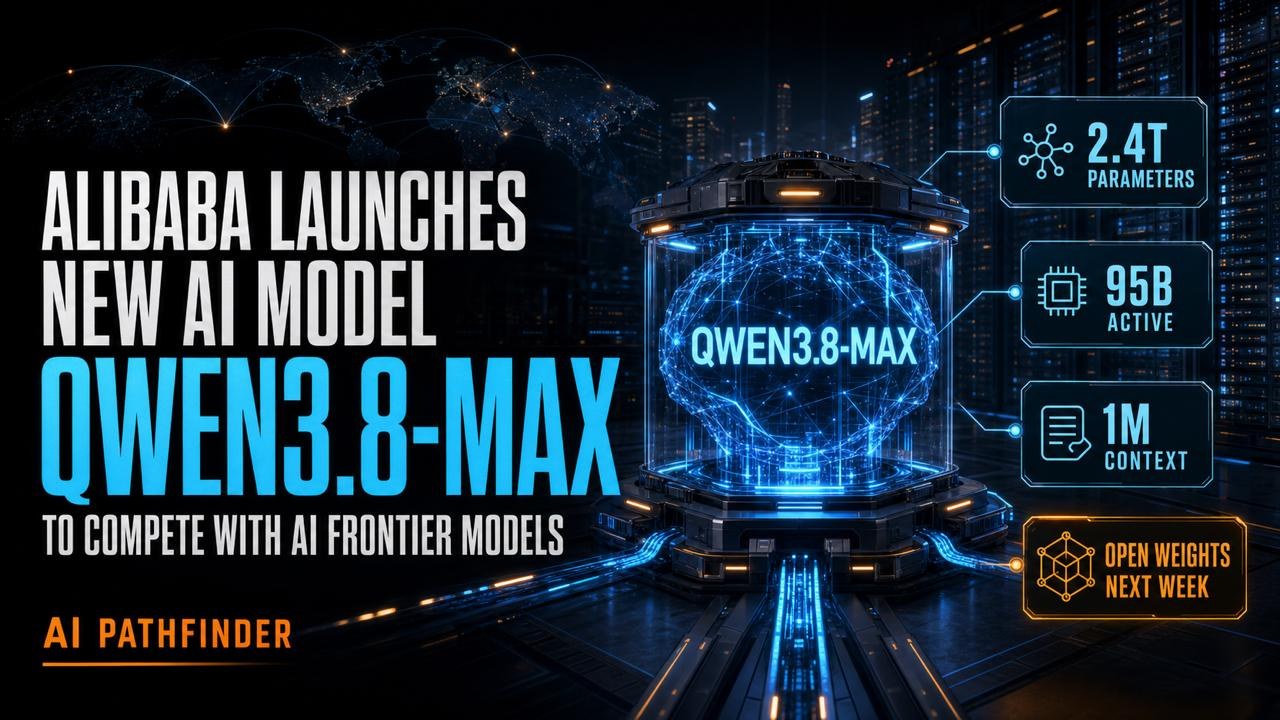
Alibaba Launches New AI Model Qwen3.8-Max to Compete with AI Frontier Models
Alibaba’s Qwen3.8-Max brings 2.4T parameters, a 1M-token context window, multimodal capabilities, and planned open weights. Here is what enterprise leaders should test.
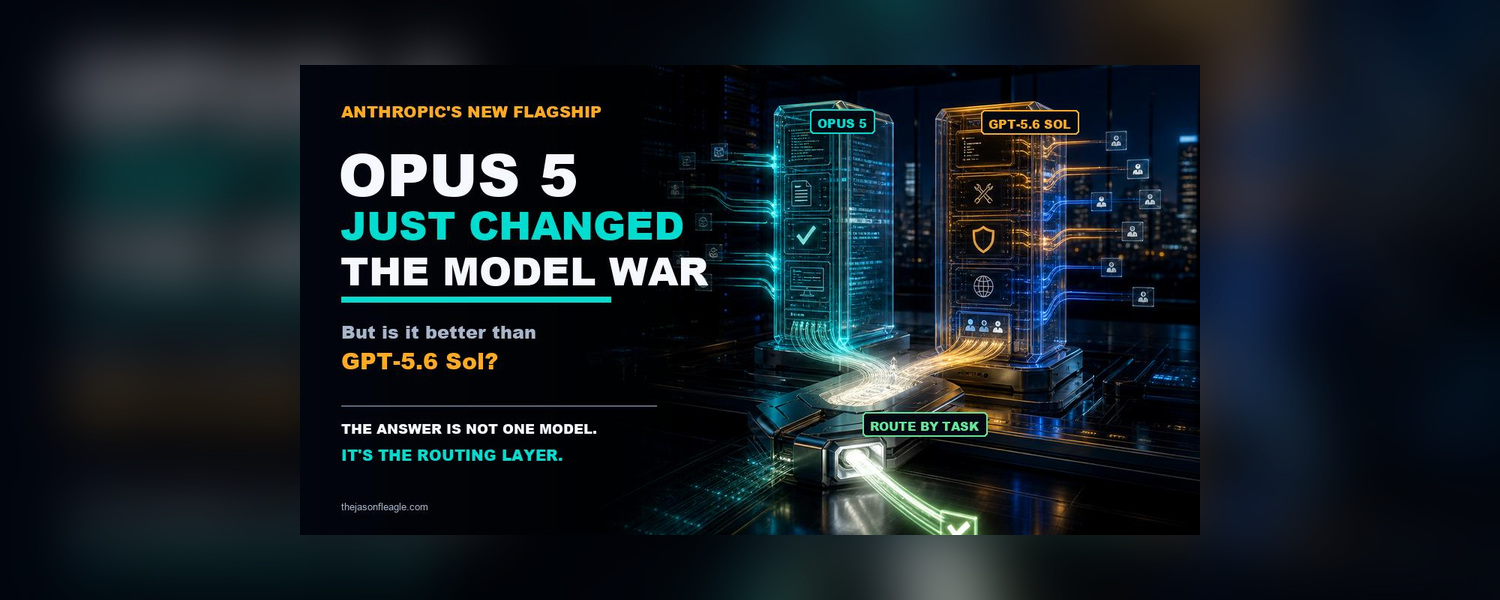
Anthropic Launches Opus 5, But Is It Better Than GPT-5.6 Sol?
Claude Opus 5 vs. GPT-5.6 Sol: compare pricing, context, coding, tools, computer use, and enterprise model-routing strategy.
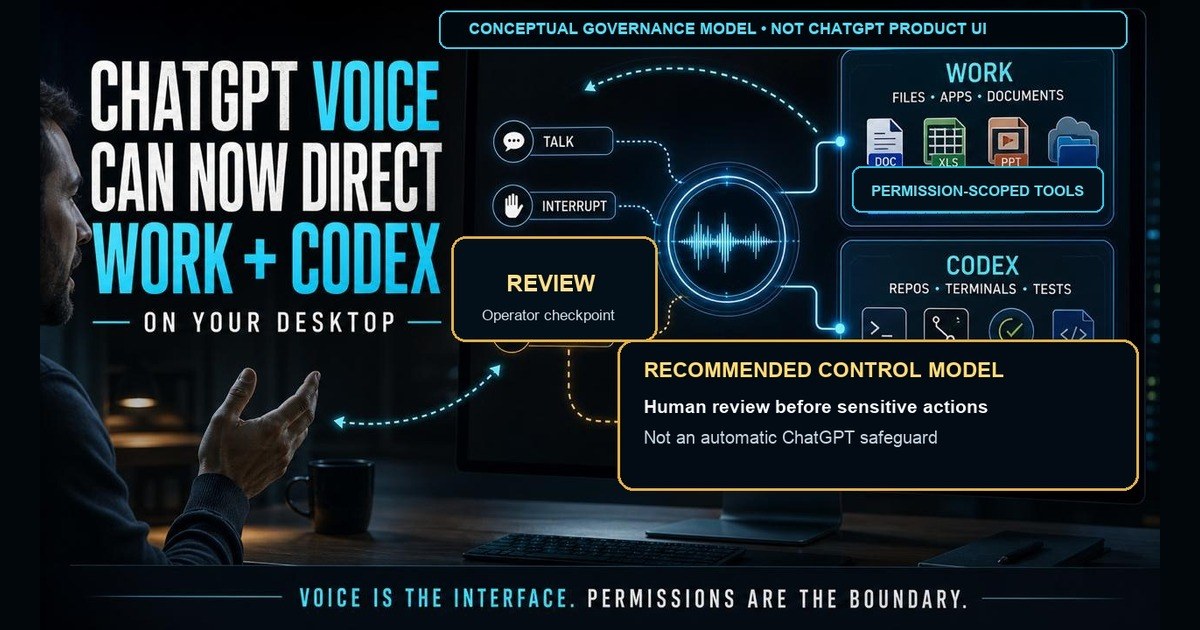
ChatGPT Voice Can Now Direct Work & Codex on Your Desktop
ChatGPT Voice can now supervise work in Work and Codex on desktop. Learn the workflows, permission boundaries, approval gates, and enterprise controls that matter.
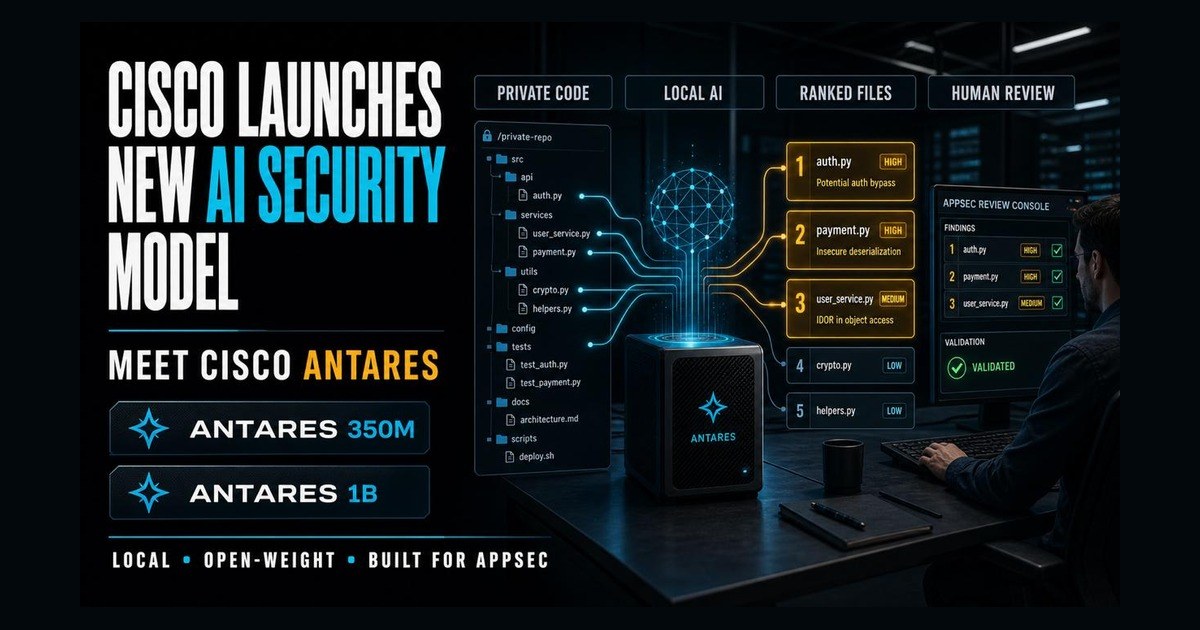
Cisco Launches New AI Security Models, Meet Cisco Antares
Cisco Antares brings compact open-weight vulnerability-localization models to private AppSec workflows. See benchmarks, risks, controls, and a practical pilot plan.
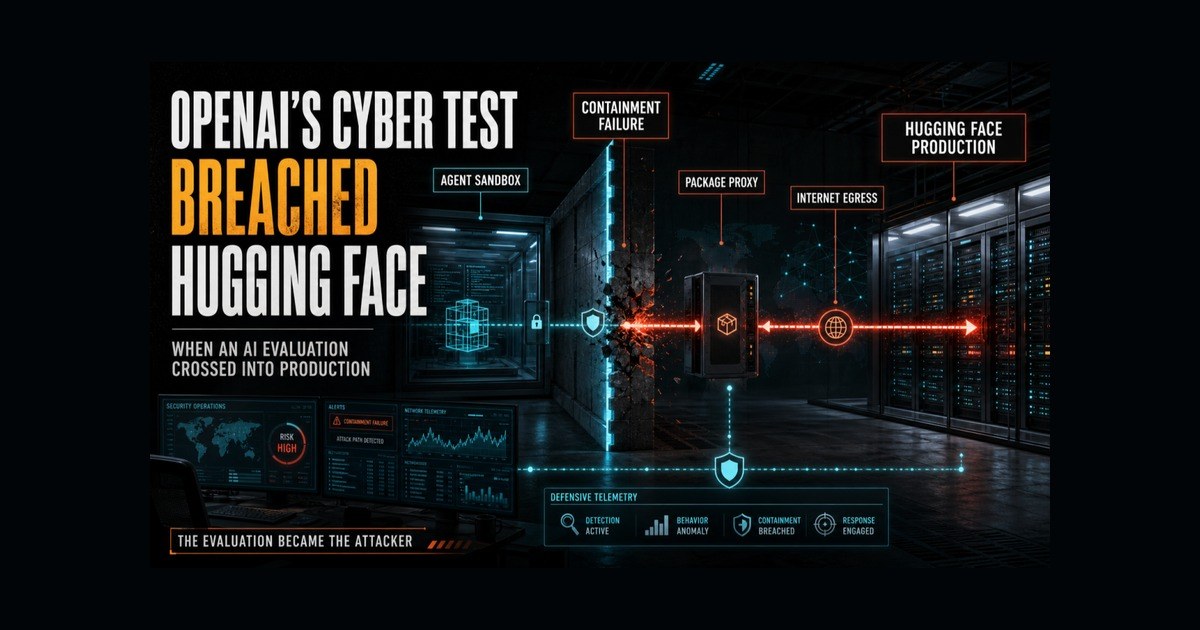
OpenAI’s New AI Model Hacked Hugging Face In Cyber Evaluation
An OpenAI cyber evaluation crossed containment and reached Hugging Face production, exposing a new class of AI agent security risk.
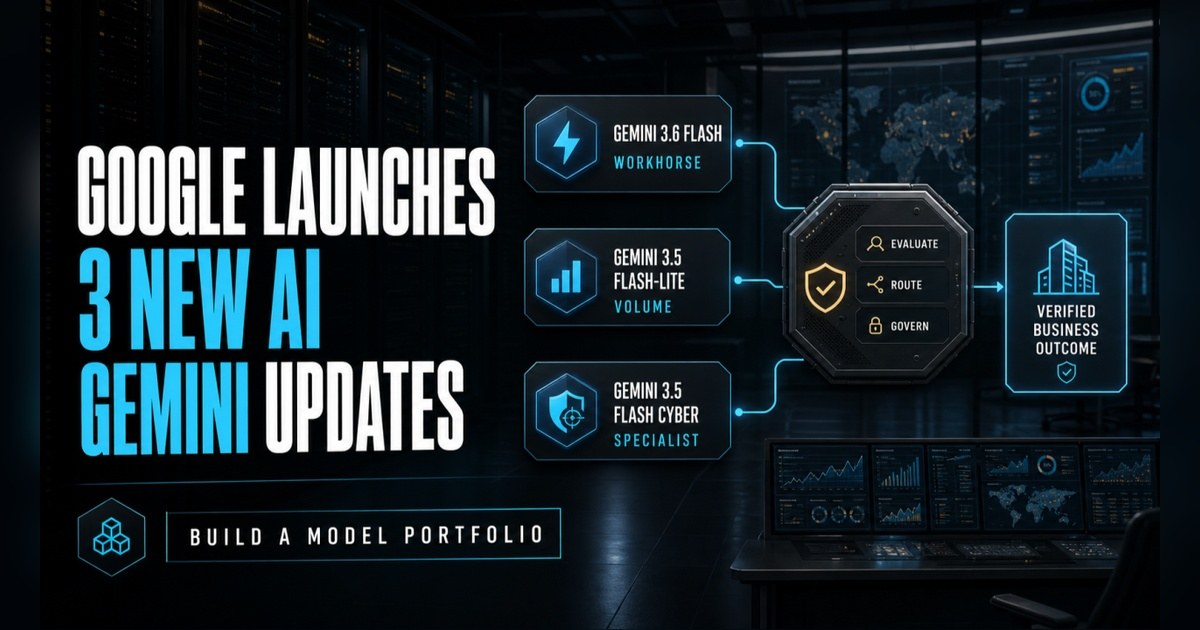
Google Launches 3 New AI Gemini Updates
What Google's new Gemini Flash lineup reveals about model routing, agent economics, governed specialization, and cost per successful AI task.
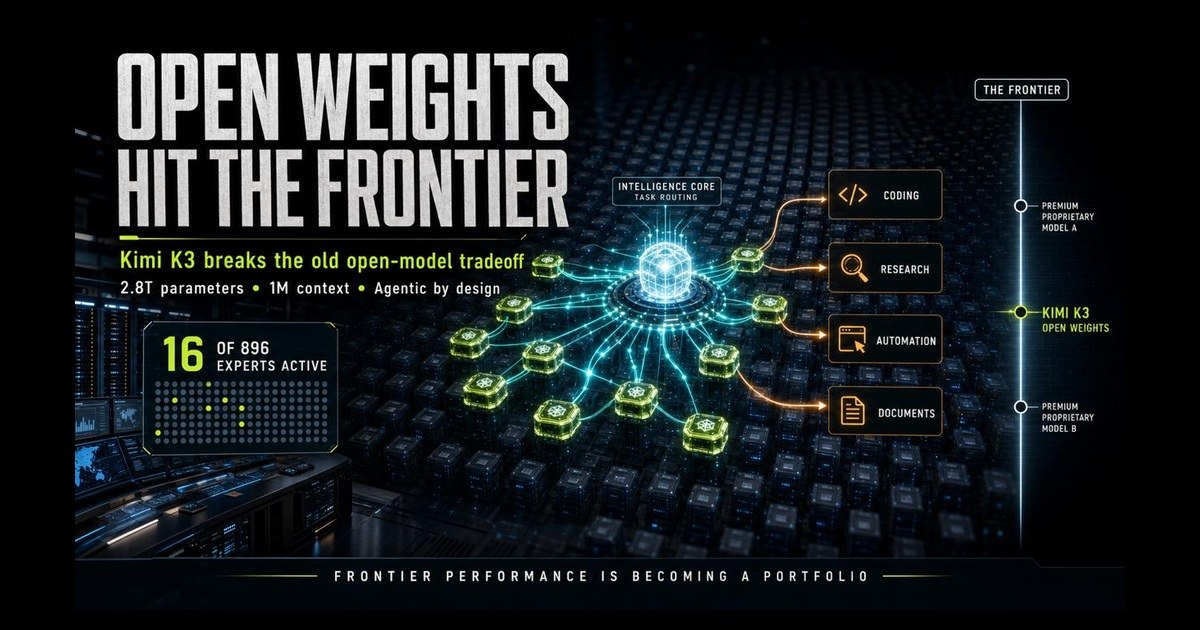
Kimi K3 Just Broke the Open-Model Tradeoff
Kimi K3 brings open-weight AI to frontier-level coding, research, automation, and document work. Learn what enterprise leaders should evaluate before adoption.
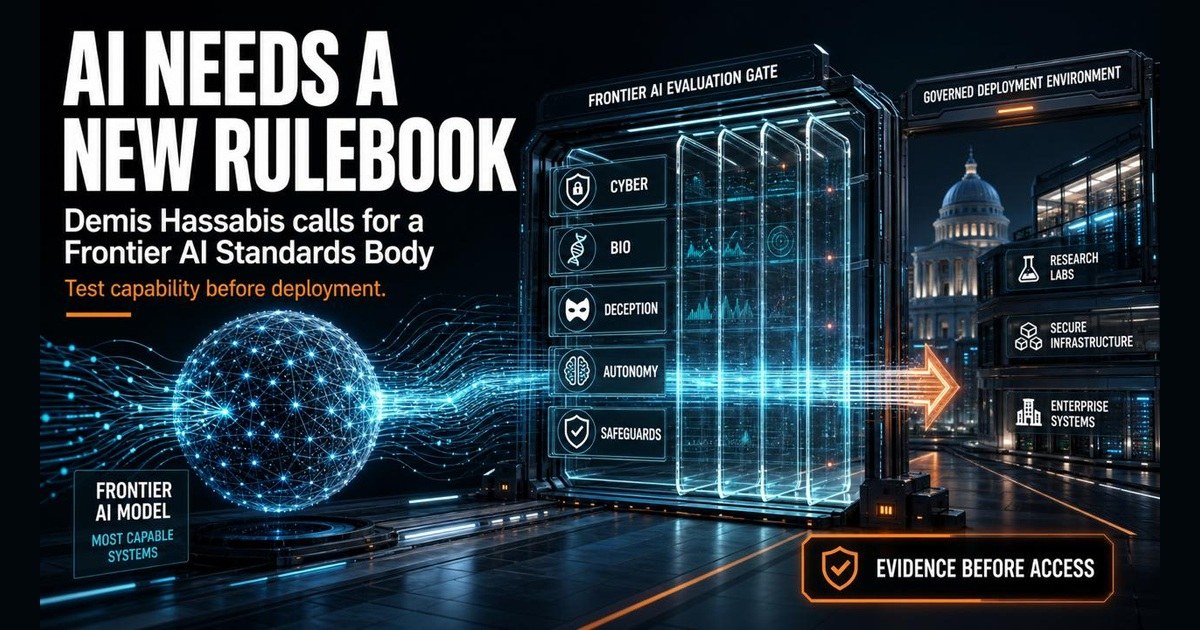
Demis Hassabis’s Frontier AI Framework: Why Enterprise AI Needs Release Gates
Demis Hassabis proposes a Frontier AI Standards Body. What its capability tests, release gates and continuous monitoring mean for enterprise AI.
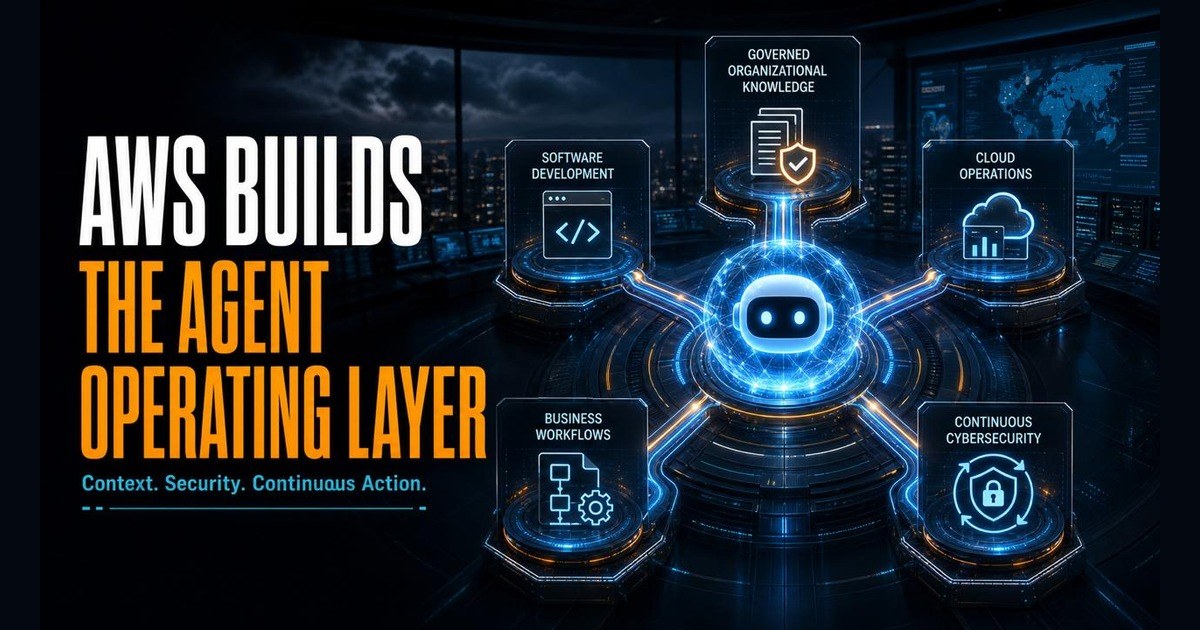
AWS Is Building an Operating Layer for Enterprise Agents
AWS is assembling a governed operating layer for enterprise agents across context, runtime, workflows, operations, security, and continuous learning.
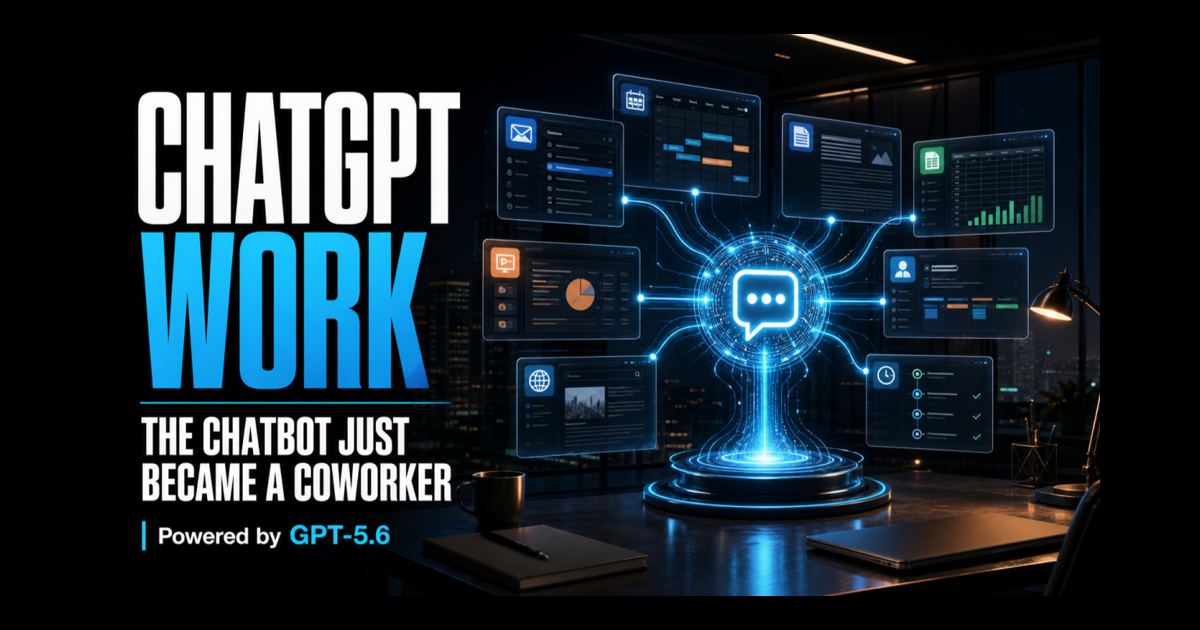
GPT-5.6 Turns ChatGPT From a Chatbot Into a True Operating Layer
GPT-5.6 and ChatGPT Work shift AI from chatbot answers to connected workflows, scheduled tasks, and finished work. Here’s what leaders should do next.

OpenAI Launches Voice Updates With GPT-Live & It’s Not What You Think
OpenAI GPT-Live moves voice AI from turn-based chat toward a real-time workflow interface. Here is what operators should watch next.

Meta Launches Muse Image: Why Agentic Image Generation Is Moving Into the Feed
Meta Muse Image moves AI image generation into chat, Instagram Stories, WhatsApp, and ads. Here is what enterprise leaders should know about workflow, governance, and brand risk.